1. Purpose
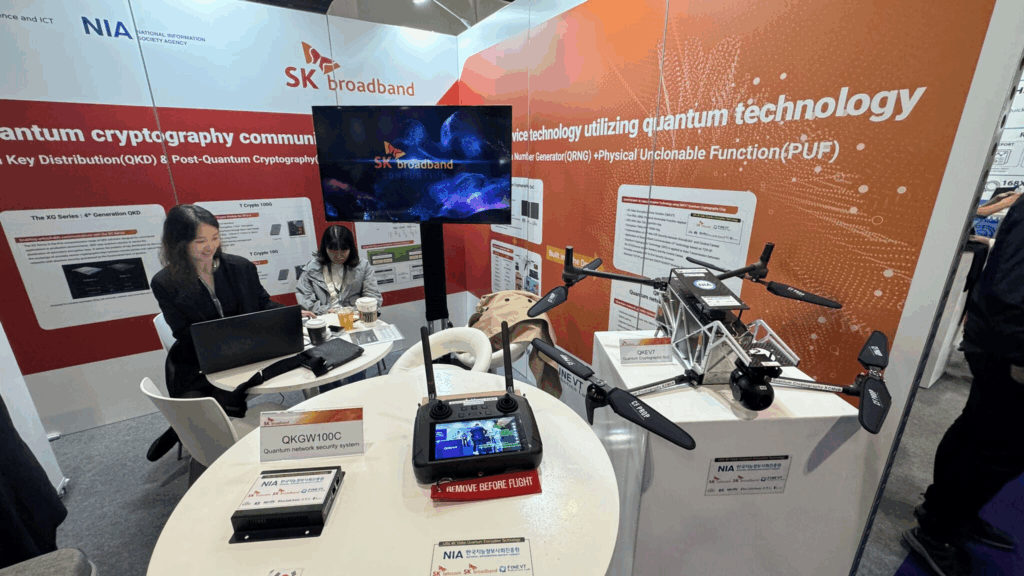
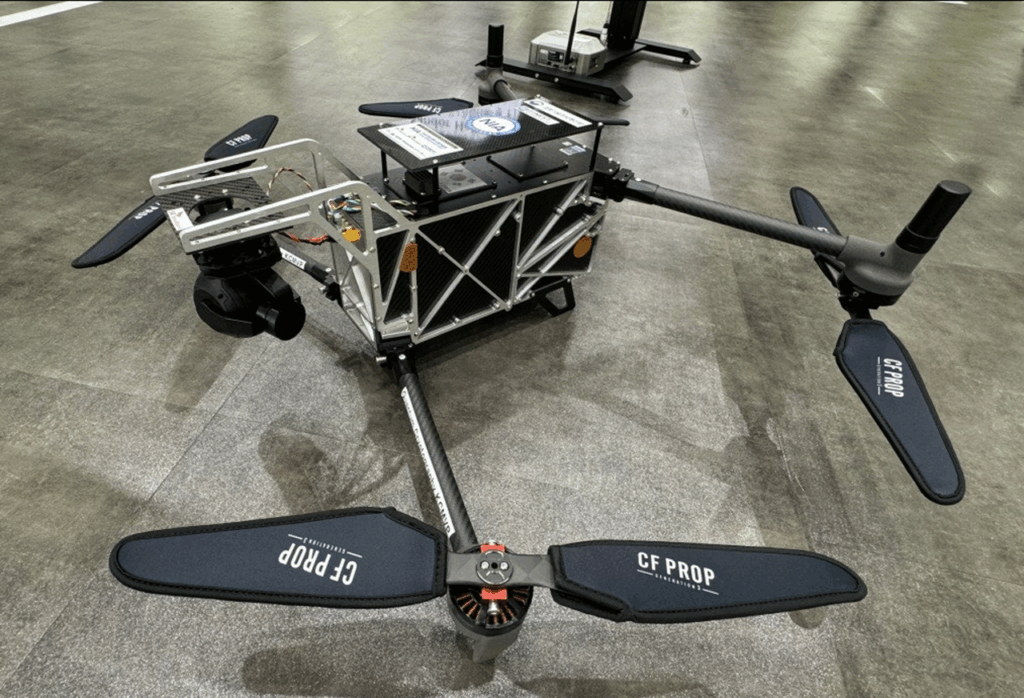
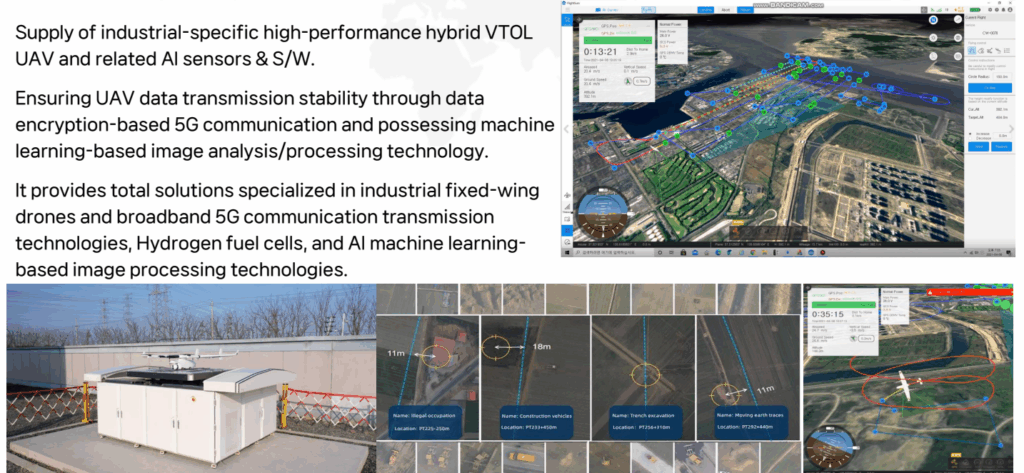
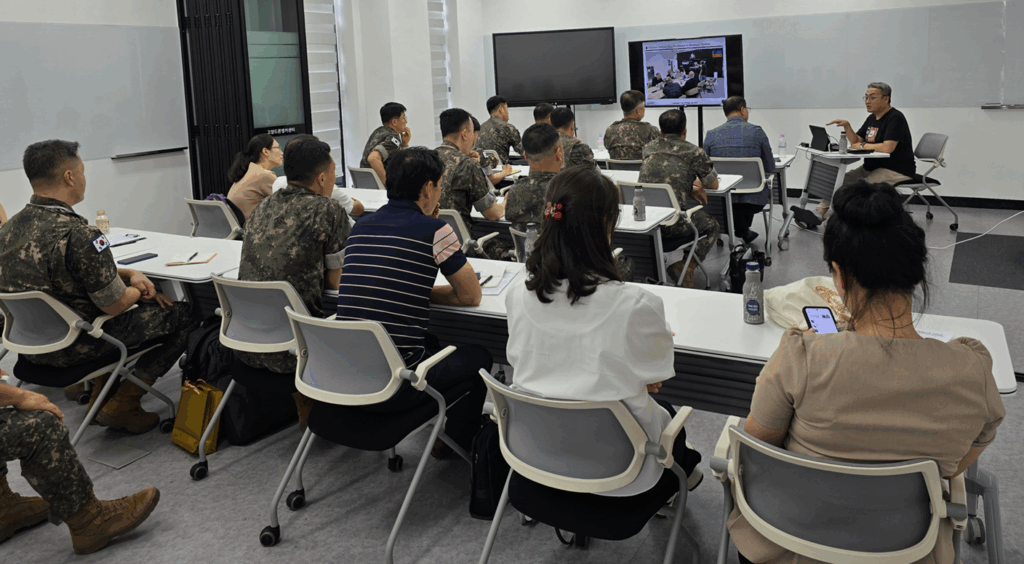
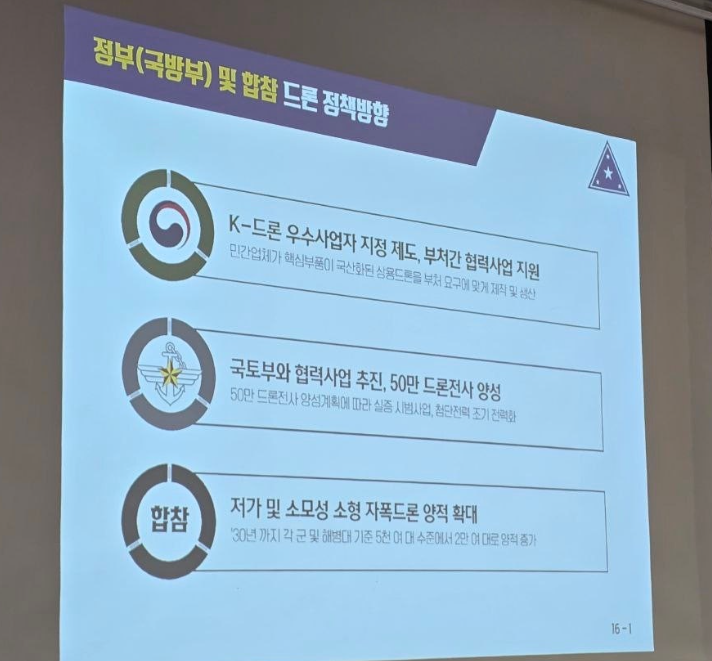
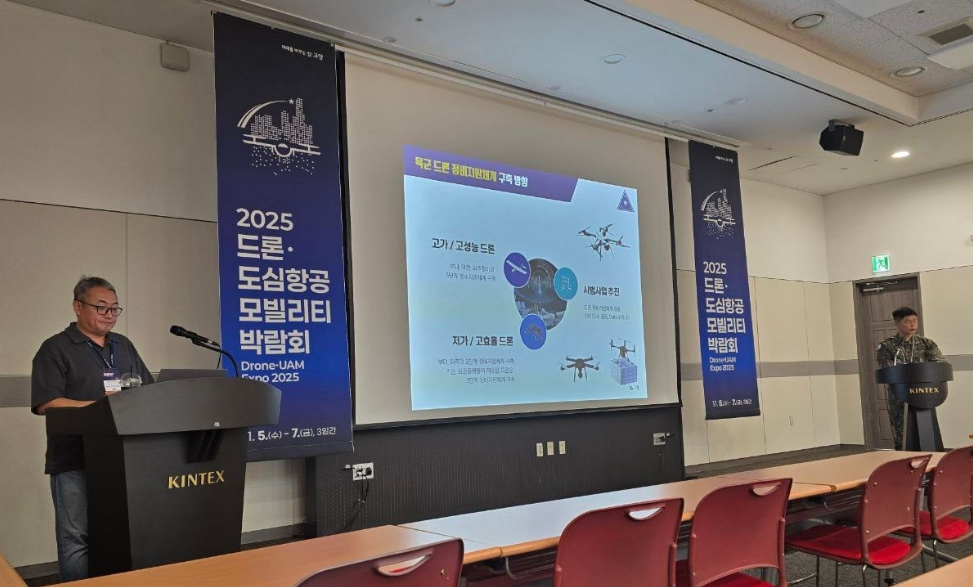
The purpose of this report is to outline the framework for cooperation between the ROKA G-4 Staff and FineVT Robotics LAB in the development, standardization, and sustainment of military logistics support drone systems, with a specific focus on standard system architecture and MRO (Maintenance, Repair, and Overhaul) operations.



2. Background
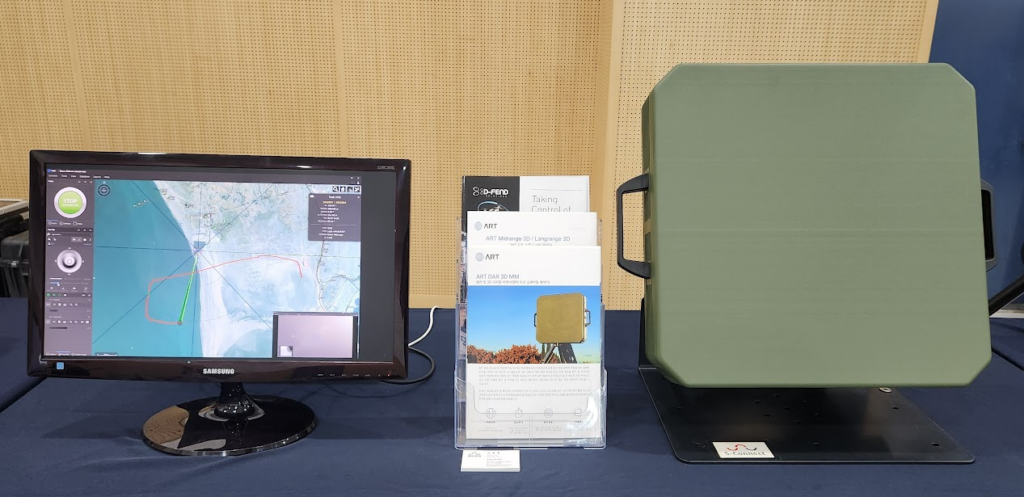
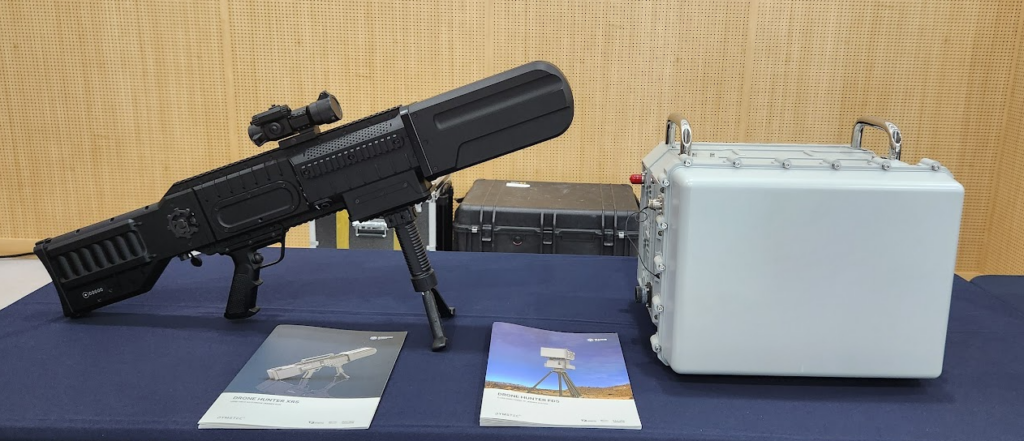
Recent advancements in unmanned aerial systems (UAS) have significantly enhanced military G4 capabilities, particularly in contested, remote, and high-risk operational environments. Logistics support drones have demonstrated effectiveness in rapid resupply, reduced manpower exposure, and increased operational tempo.
In response to evolving battlefield requirements and future force modernization objectives, the ROKA G-4 Staff seeks to establish a standardized military logistics drone system supported by a robust and sustainable MRO framework. FineVT Robotics LAB possesses advanced expertise in autonomous systems, drone platforms, and integrated logistics support (ILS), making it a strategic partner for this initiative.
3. Scope of Cooperation
3.1 Standardized Logistics Drone System
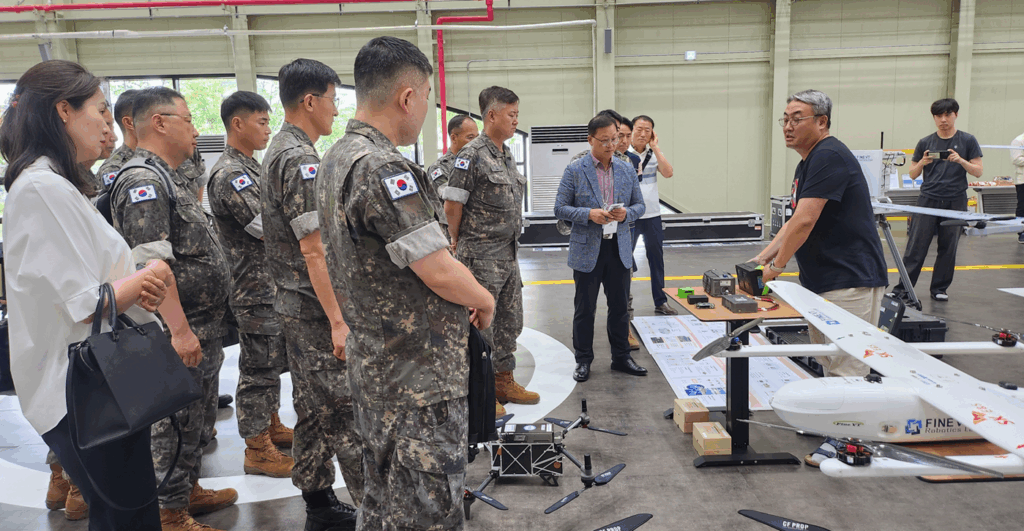
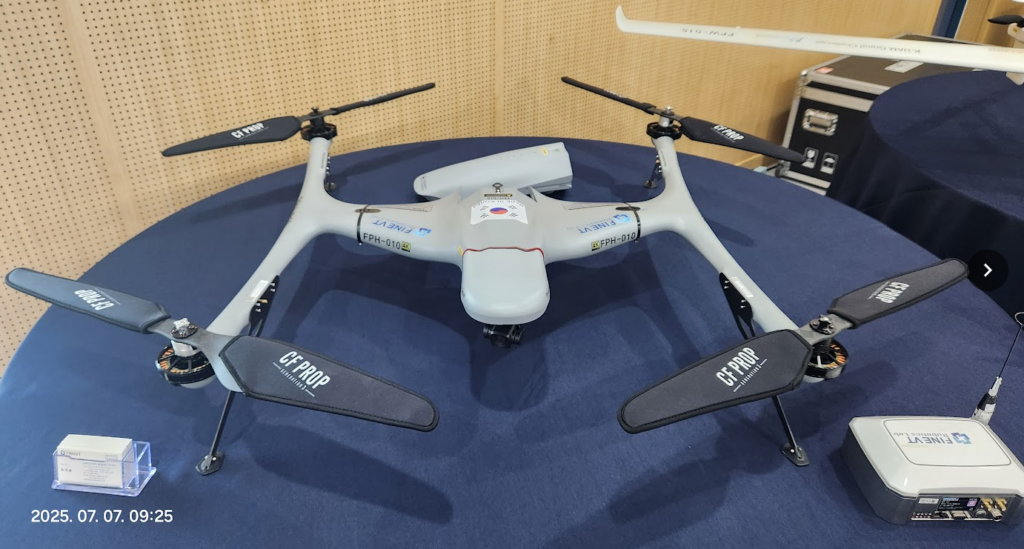
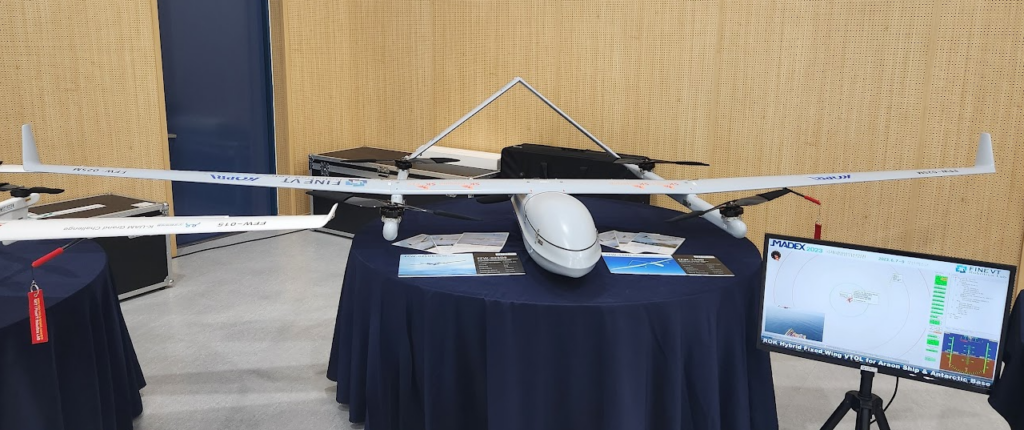
The cooperation will focus on the development and validation of a standardized military logistics support drone system, including:
- Common platform architecture for logistics drones
- Standardized payload modules for supply, medical, and maintenance support
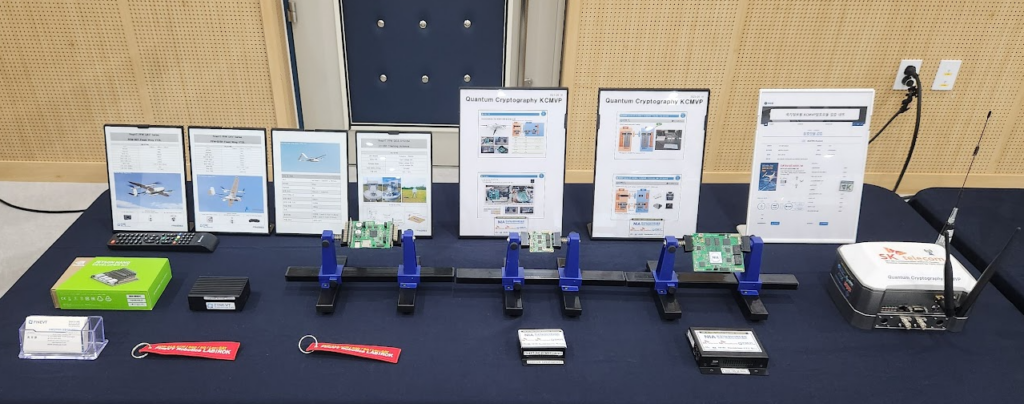
- Interoperability with existing ROKA G-4 logistics and command systems
- Compliance with military safety, airworthiness, and cybersecurity requirements

3.2 MRO (Maintenance, Repair, and Overhaul) Framework
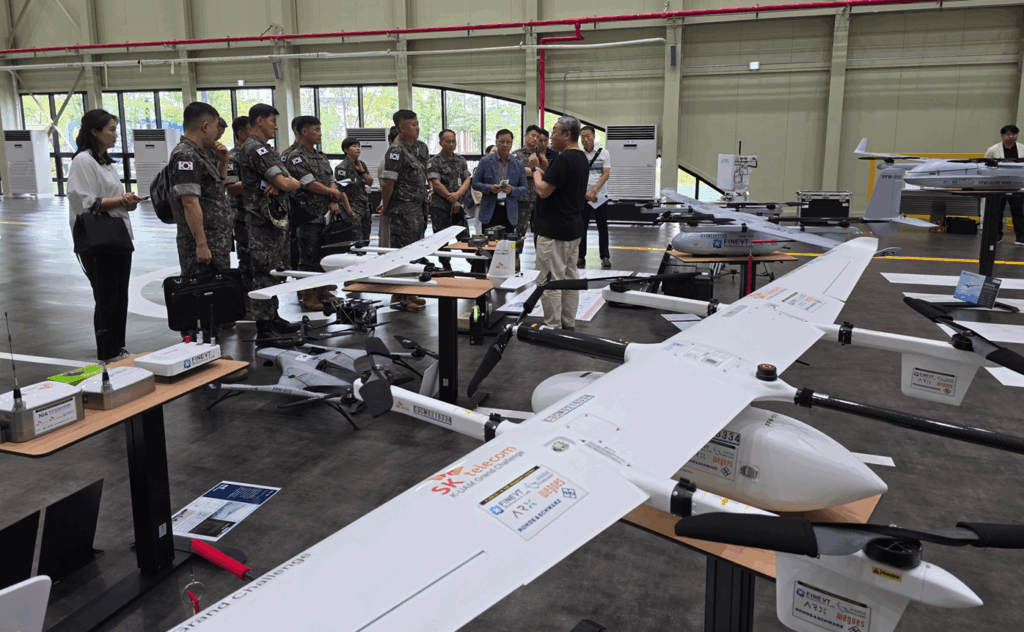
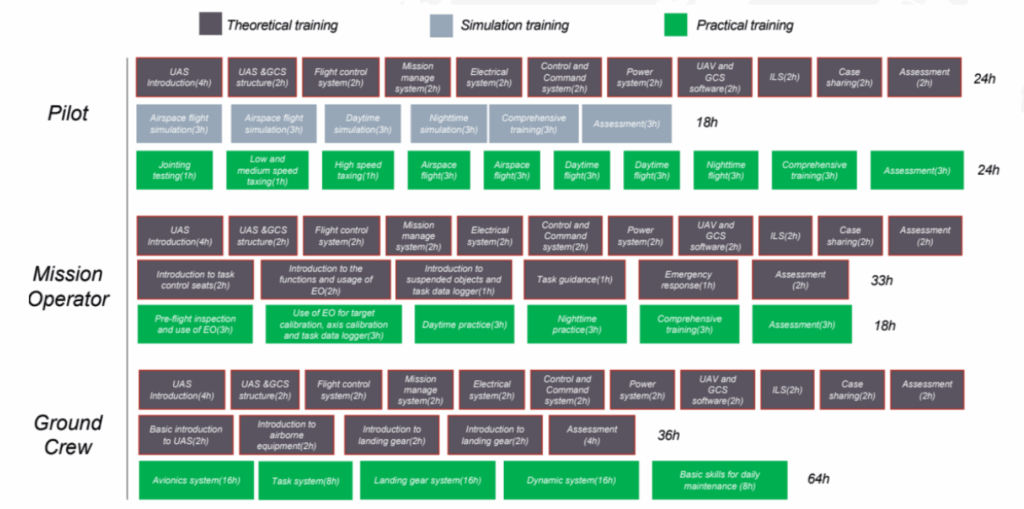
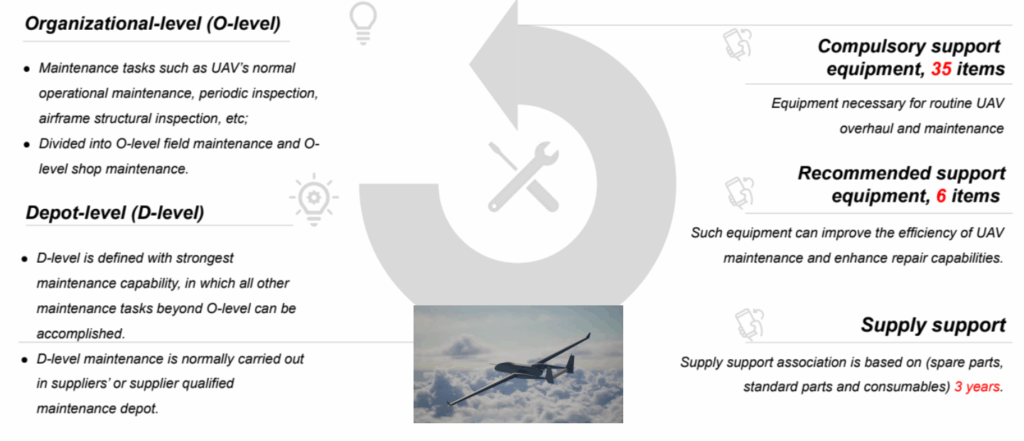
A comprehensive MRO framework will be established to ensure lifecycle sustainment and operational readiness, including:
- Preventive and corrective maintenance standards
- Repair and overhaul procedures at unit, depot, and industry levels
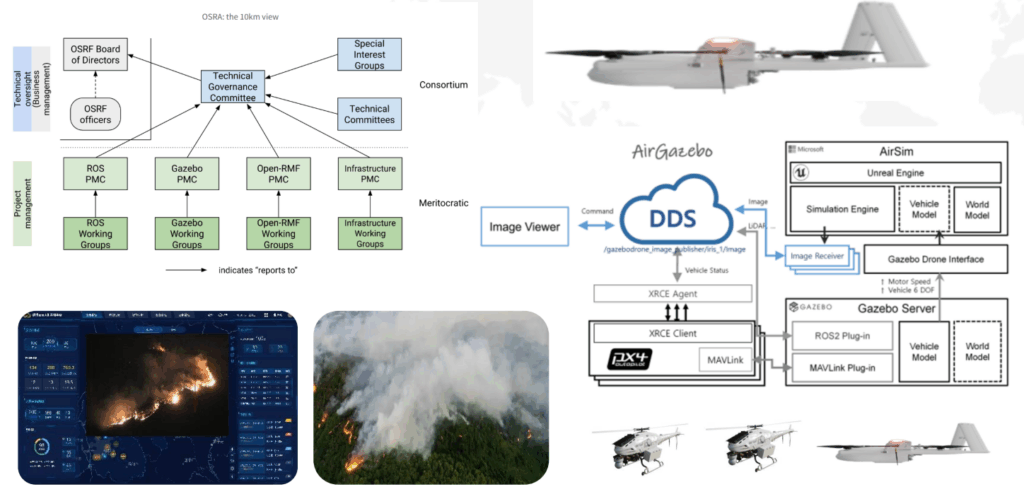
- Spare parts management and supply chain integration
- Technical manuals, maintenance data, and digital logistics support systems
4. Roles and Responsibilities
4.1 ROKA G4 Staff
The Army Logistics Staff will:
- Define operational requirements and performance criteria
- Establish military standards, regulations, and certification requirements
- Oversee system integration with Army logistics doctrine
- Evaluate operational effectiveness and readiness impact

4.2 FineVT Robotics LAB
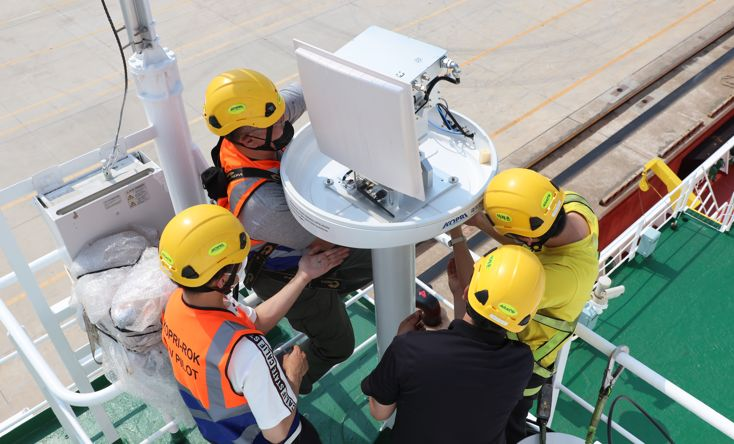
FineVT Robotics Research Institute will:
- Conduct research and development of logistics drone platforms
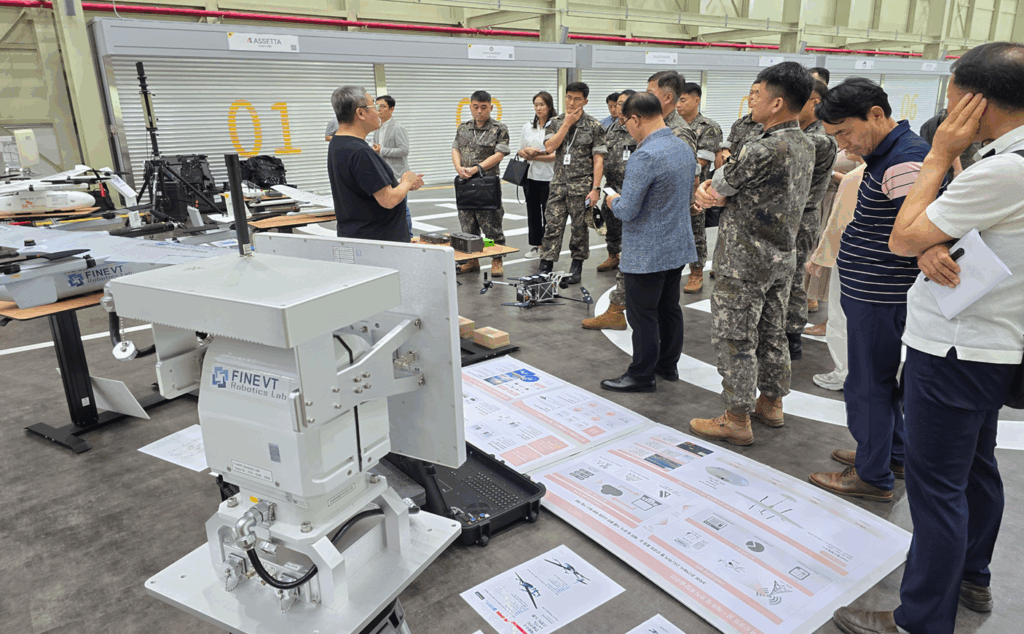
- Propose and implement standardized system designs
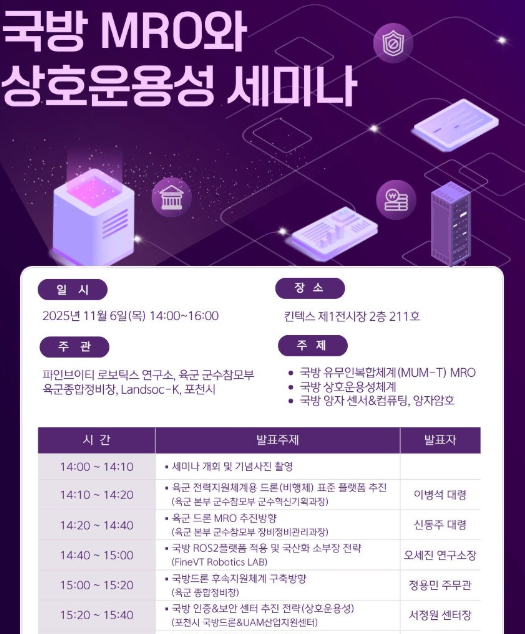
- Develop MRO concepts, procedures, and technical documentation
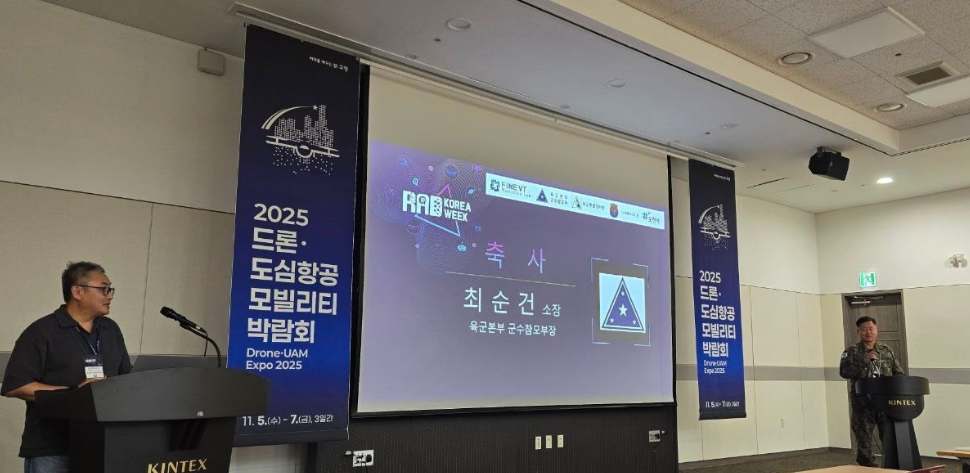
- Provide technical support, testing, and sustainment recommendations




5. Expected Outcomes
The cooperation is expected to achieve the following outcomes:
- Establishment of a standardized military logistics support drone system
- Improved logistics responsiveness and reduced resupply risks
- Enhanced lifecycle management through an efficient MRO structure
- Increased system availability, reliability, and maintainability
- Strengthened civil-military technology collaboration


6. Risk Considerations
Potential risks include:
- Integration challenges with existing logistics and command systems
- Cybersecurity and data protection vulnerabilities
- Sustainment cost growth over the system lifecycle
- Training and manpower adaptation requirements
Mitigation measures will be addressed through phased development, rigorous testing, and continuous coordination between stakeholders.


7. Conclusion and Recommendations
The establishment of a standardized ROKA G-4 military logistics support drone system, supported by a structured MRO framework, is essential for future Army logistics modernization. Cooperation with FineVT Robotics LAB provides a technically sound and operationally relevant approach to achieving this objective.
It is recommended that the ROKA G-4 Staff:
- Initiate a formal cooperation agreement with FineVT Robotics LAB
- Conduct pilot programs and field evaluations
- Develop doctrine and regulations aligned with logistics drone operations
- Gradually expand MRO capabilities based on operational feedback